


Art
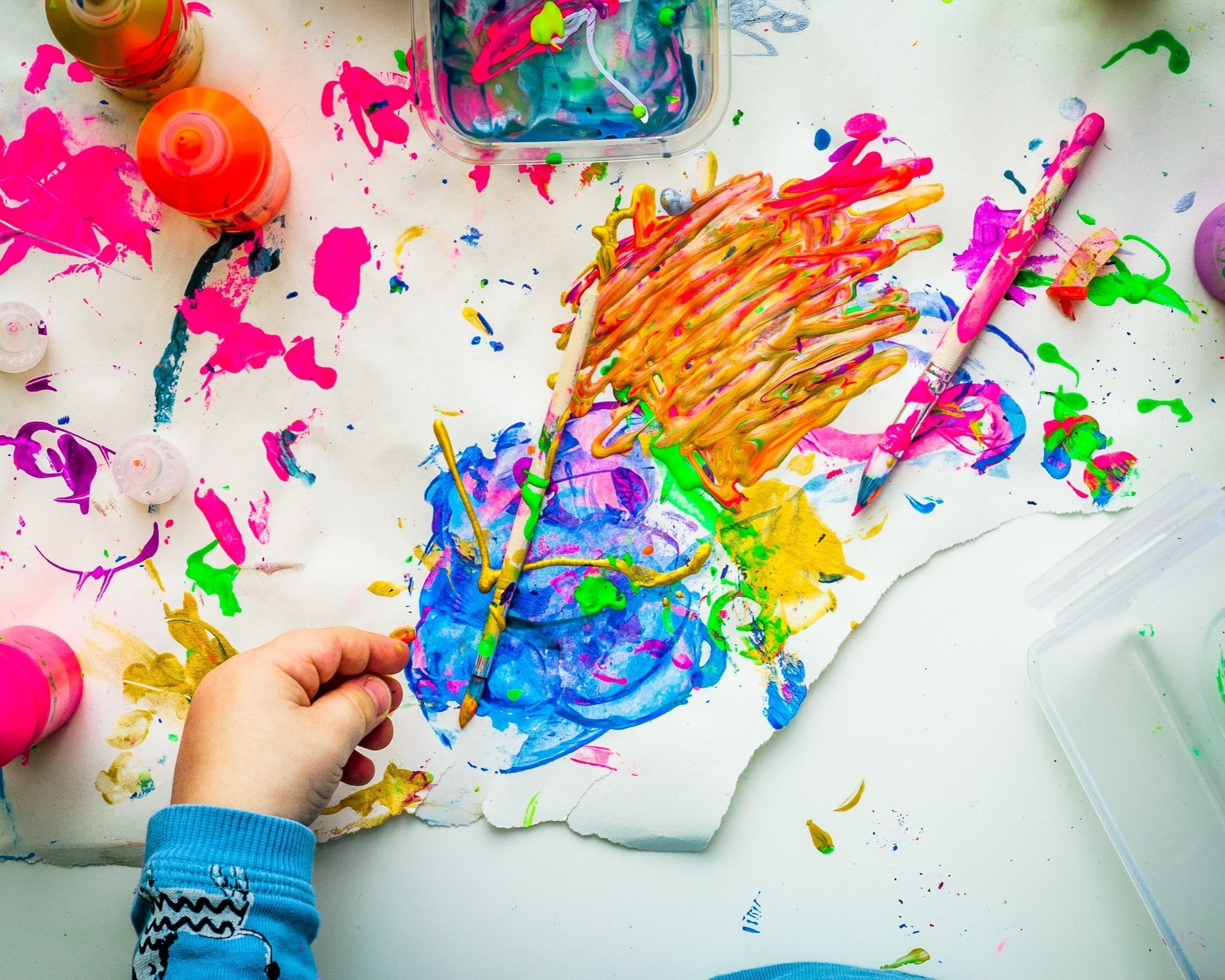
Art is about the process and exploration, not the end product!
Students experience using many types of art materials in new and exciting ways - have you ever painted with a giant plastic bug? Or pretended you’re Michaelangelo painting the Sistine Chapel? Our students will! The children think creatively as they make a true collection of their own work. Seldom do any two pieces of artwork look alike- and that’s a good thing!
While thinking creatively and exploring new mediums, children are also developing hand-eye hand coordination, along with large and small motor skills, which sets a solid foundation for their bodies and minds.

Biblical Learning
Faith and character building sets the tone for our days. Children actively learn a Bible story each day as part of our curriculum.
We use a variety of hands-on materials or props as we teach. One day might have the class seeing that even though our sins are crimson (red juice mix in water), Jesus’ blood washes them clean as snow (Oxiclean).
We believe the Bible, both the Old and New Testaments as originally given, is the inspired word of God, and is free from error. Therefore, the Word of God us an authoritative guide for faith and conduct.

Blocks
The block center provides early learners with opportunities to explore, experiment, and construct using blocks of various shapes, sizes, and colors. As active learners, children learn best through play, and the block center encourages the development of symbolic thinking through imaginative, social, and cooperative play experiences. These construction materials help children represent their understanding of the world through hands-on, concrete experiences. Whether working independently or collaborating with peers, children can build, create, problem-solve, and develop important cognitive, social, and physical skills.
Dramatic Play
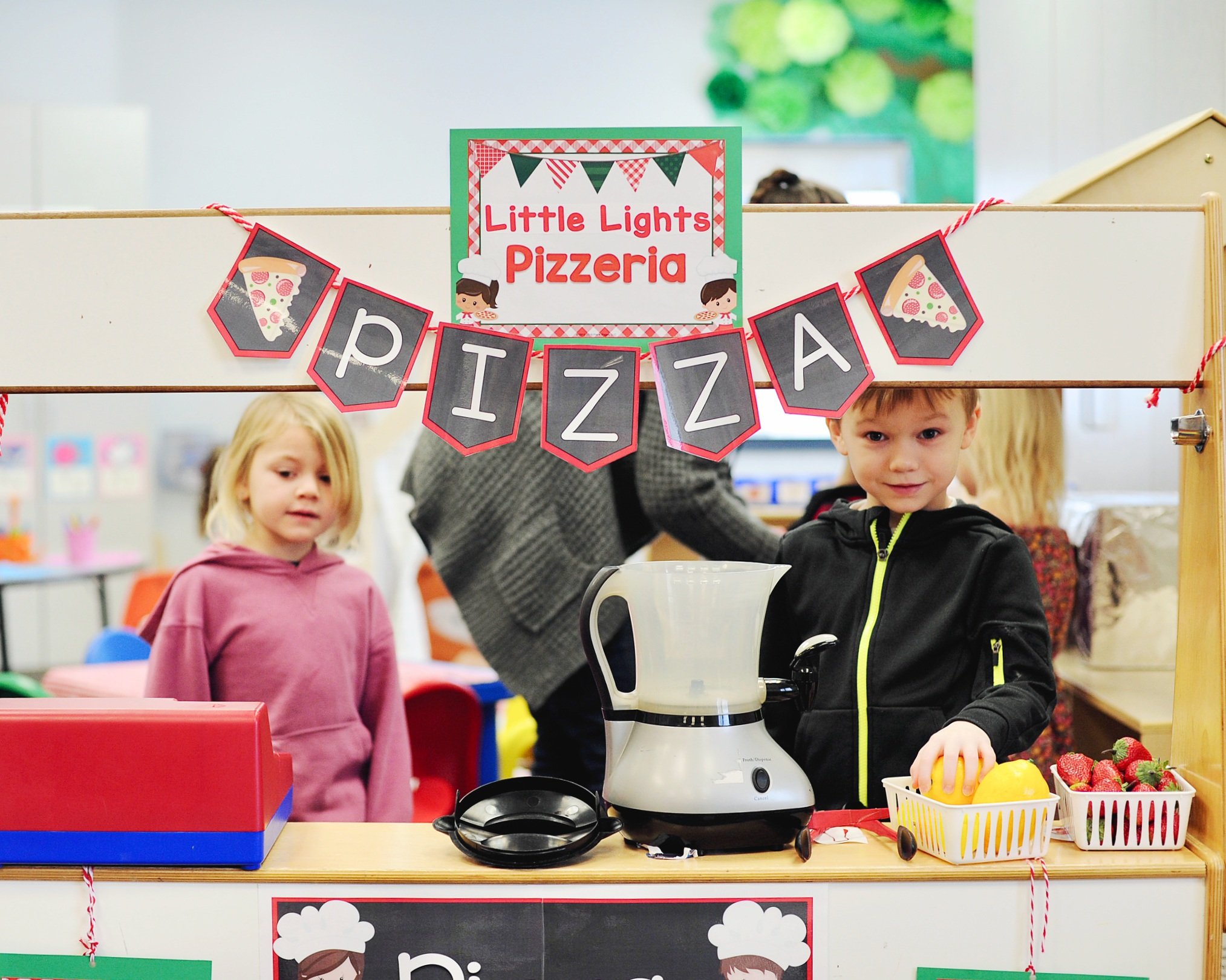
Little ones are curious and engaged in learning about the world around them when they can act out real-life examples.
Students have creative ideas and approaches to playing in our dramatic play area where they can experience everything from being an astronaut, going ice fishing, working or shopping at the Little Lights Market, taking orders for the hot cocoa stand, or fixing vehicles. Our dramatic play changes weekly and works alongside the theme to further enhance creativity and learning.

S.M.A.R.T (Pre-K)
Stimulating Maturity through Accelerated Readiness Training is a program that helps children’s brains and bodies get ready to learn! It provides the foundation for the required basic readiness skills, which is critical for successful learners.
Stimulating: Our brains learn by seeing, hearing, and touching things many, many times.
Maturity: The brain stimulation used in the activities aims to mature the sensory pathways of vision, auditory, and tactile/kinesthetic.
Accelerated: The goal for using SMART is to accelerate the speed and efficiency of each message children receive while doing the exercises, which translates to every other message they receive throughout their day.
Readiness: SMART lays the foundation so the brain stem can perform its automatic functions and the cortex can perform higher functioning work, such as comprehension.
Training: Using Stimulation, Maturity, Acceleration, and Readiness, we Train the brain and body to be ready to learn.
Home Living
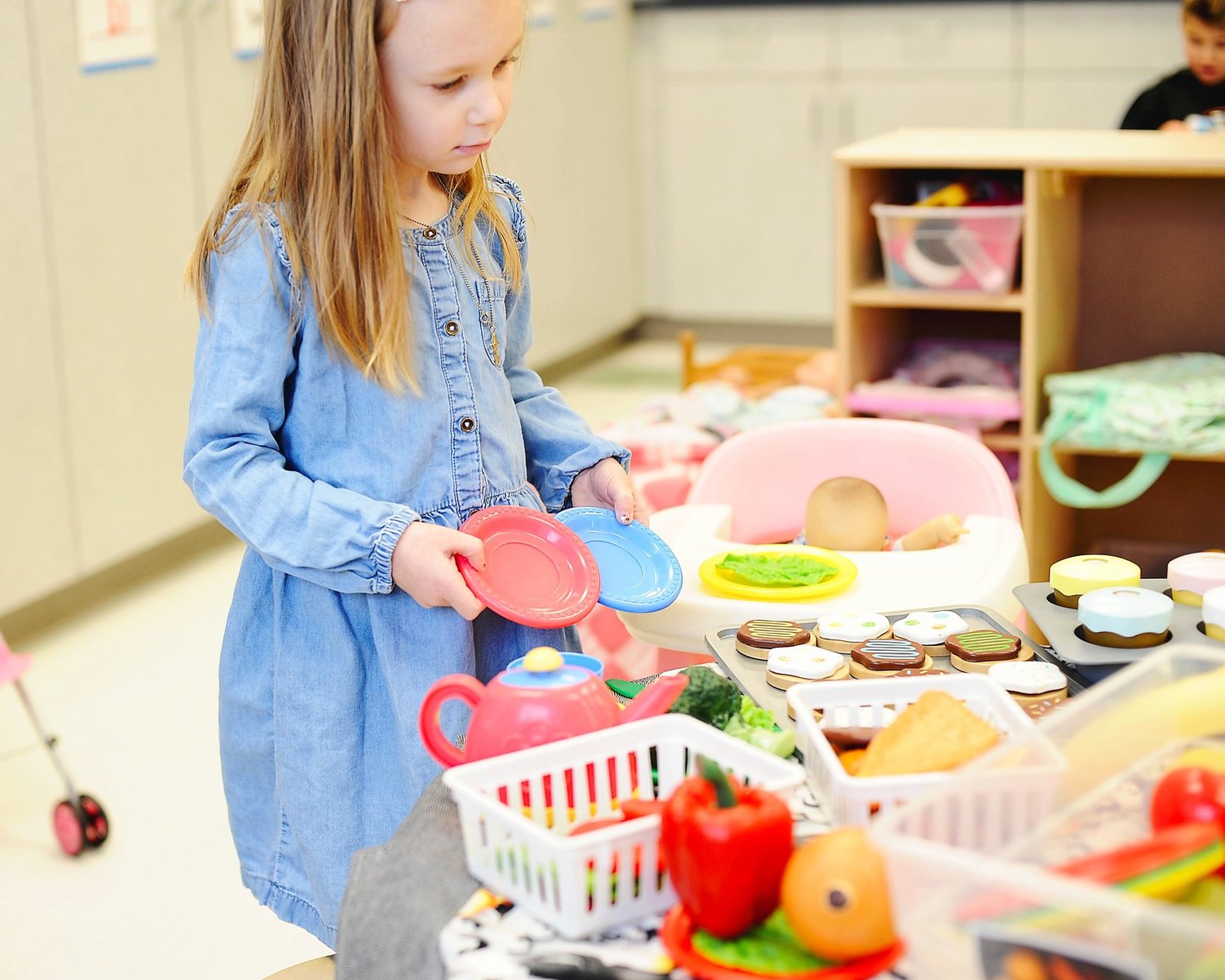
Children are naturally incredibly curious and observant. We want to give them every opportunity to explore their world in appropriate and engaging ways.
In the home living center, children get to take on roles they observe every day in their homes and community, all while interacting with other children in their class, helping them understand friendships and relationships with others. This is especially true for the younger ones who are still learning how to cooperate and play with others, not just alongside them.
Manipulatives
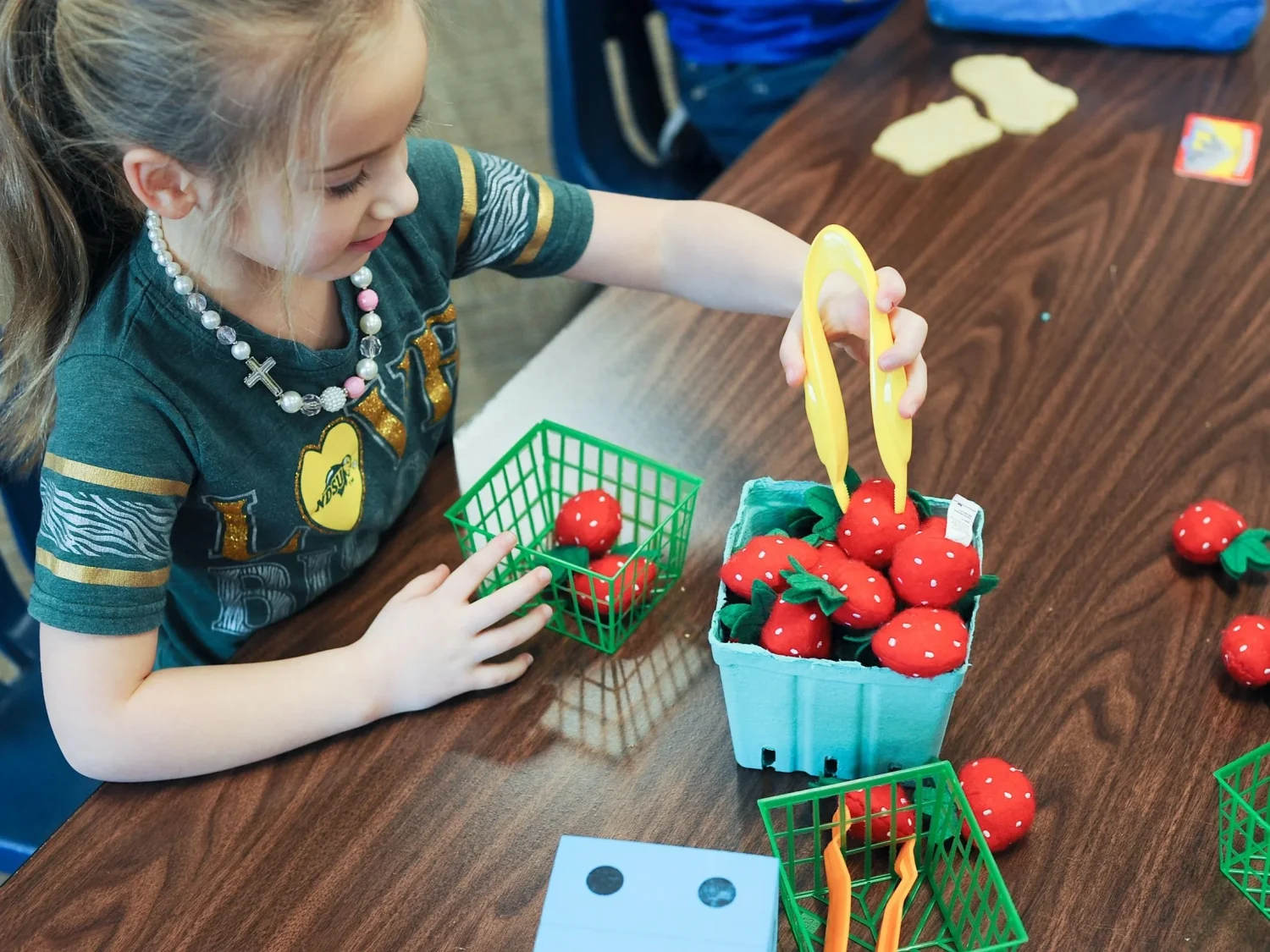
Fitting a key into a lock, stringing beads on a pipe cleaner, or learning to zip up a coat - these are all examples of manipulatives - ways we learn to use the tiny nerves and muscles in our fingers and fine-tuning our hand-eye coordination.
Developing these skills simply requires children to manipulate objects with their fingers. The children work their way into doing things one-handed with precision and a steady hand. We pick toys and games that are appealing as well as ones that develop fine motor skills.
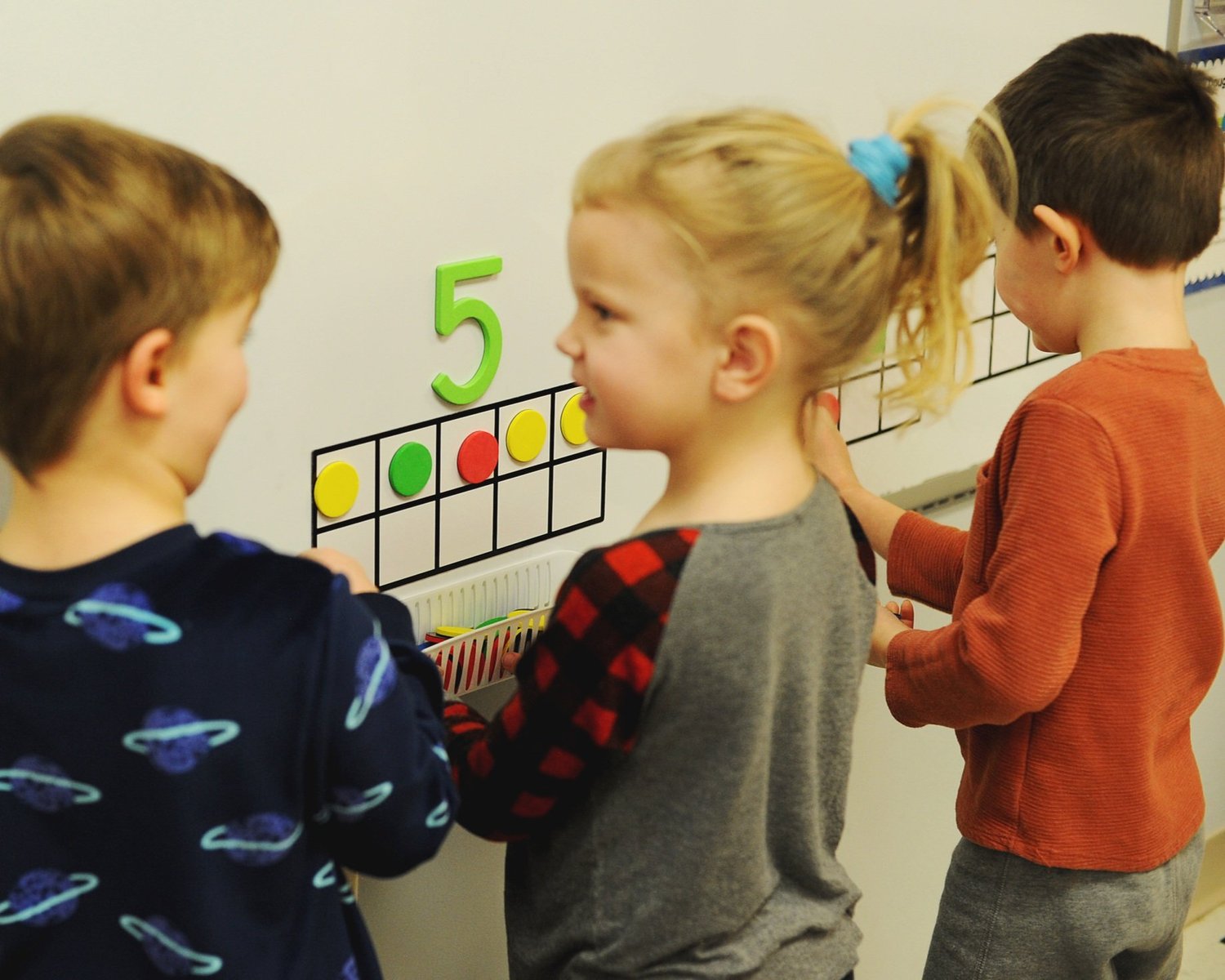
Emergent Math
Early learners are beginning to experiment with simple math concepts. It is so important for them to work with 'real' objects as they learn number concepts and one-to-one correspondence, which is the understanding that one object represents the number one. We try to incorporate number counting throughout the day, including during calendar time, finger plays, match games, and counting out snacks. This gives them numerous chances to see numbers represent objects.
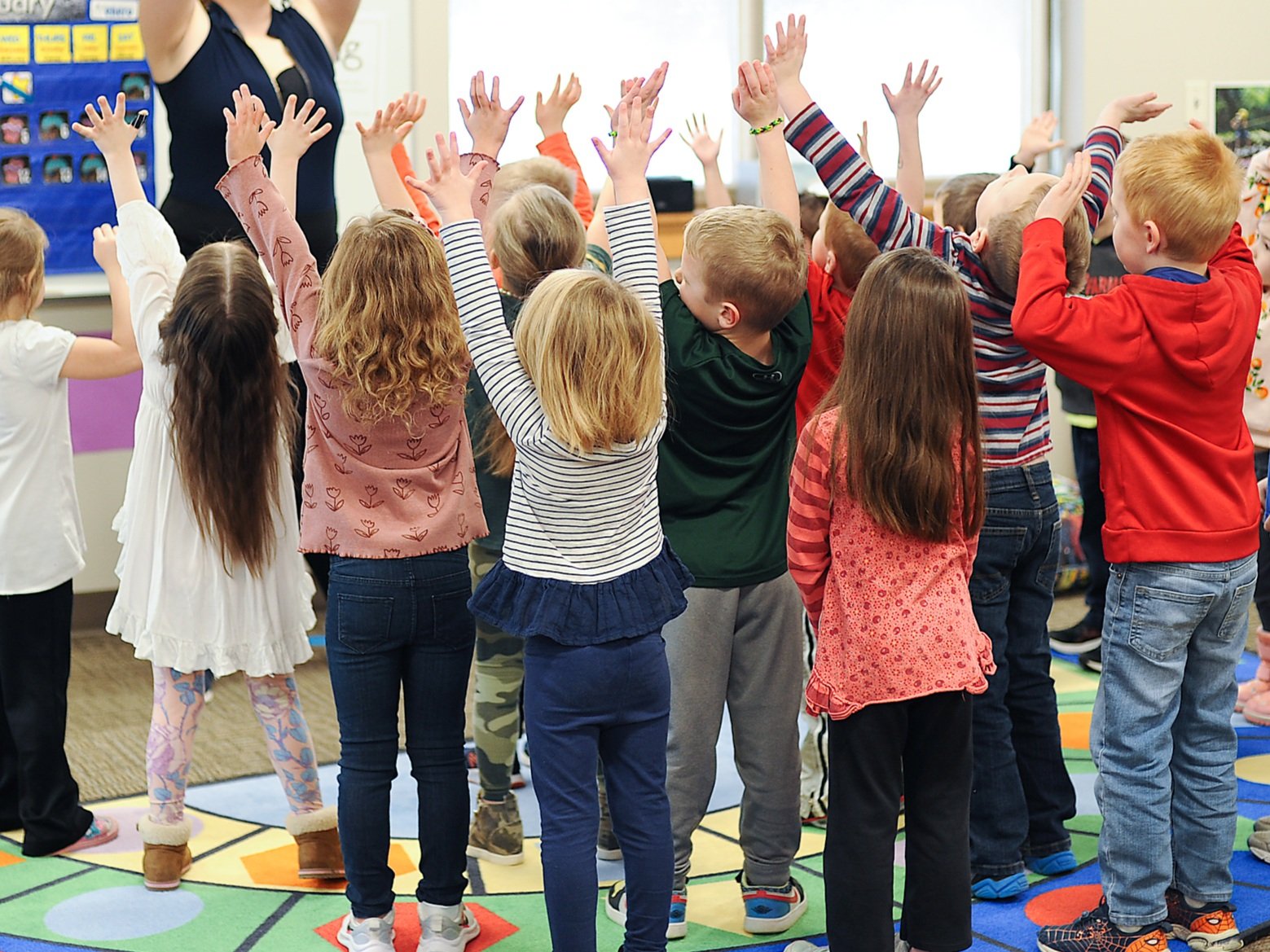
Music
Music is a wonderful way to memorize ideas or facts and move our bodies with the beat. Plus, it’s just plain fun! We want students to explore different types of music, as well as creating music of their own. We use rhythm sticks, tambourines, rain sticks, and various other tools to make our own musical creations. Active participation makes the child’s experience powerful as they enjoy multiple ways of learning through music and movement.
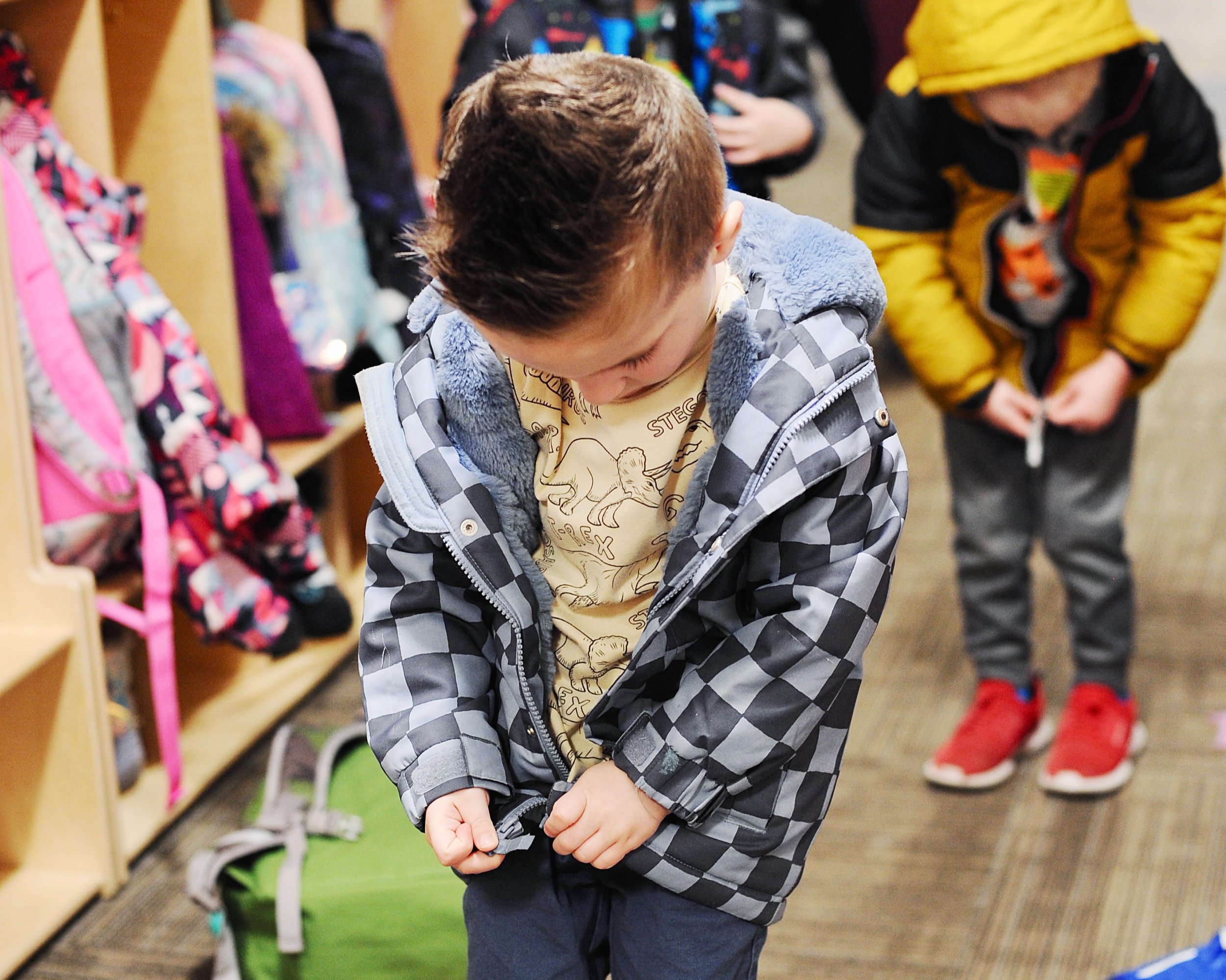
Practical Life Skills
Throughout our day, children are exposed to new communication skills and will begin to understand about jobs people have around the house, such as taking care of others, cooking, cleaning up, and preparing for the day. Students will be taught and expected to do helpful things in the classrooms - things like helping to clean up after free play, waiting patiently until everyone is seated and we’ve prayed before beginning snack, cleaning their spot after snack, and taking turns in conversations.
We will help your child understand family roles and responsibilities people have in their home.
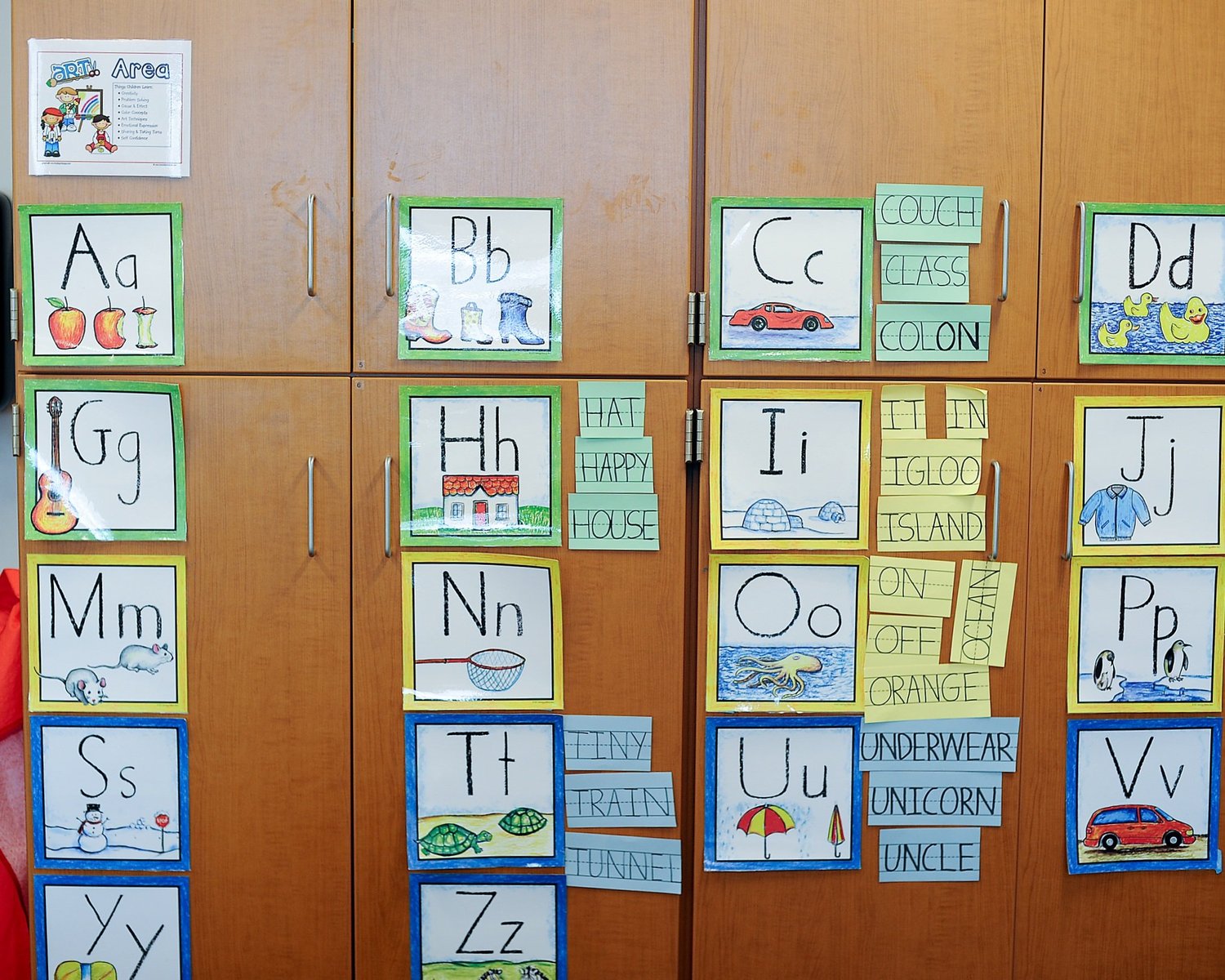
Pre-Writing Skills
Children are little writers in the making! Before they learn to form letters and write their names, children build important pre-writing skills through playful, hands-on experiences. Drawing, coloring, tracing, painting, molding playdough, and making lines and shapes help strengthen the small muscles in their hands and develop hand-eye coordination. As little learners experiment with crayons, markers, pencils, and other writing tools, they gain confidence, creativity, and control. In our older preschool classes, students will learn every uppercase letter, along with their sounds, and end the year by confidently writing their name.
Every scribble, line, circle, and picture is an exciting step toward becoming a confident writer!
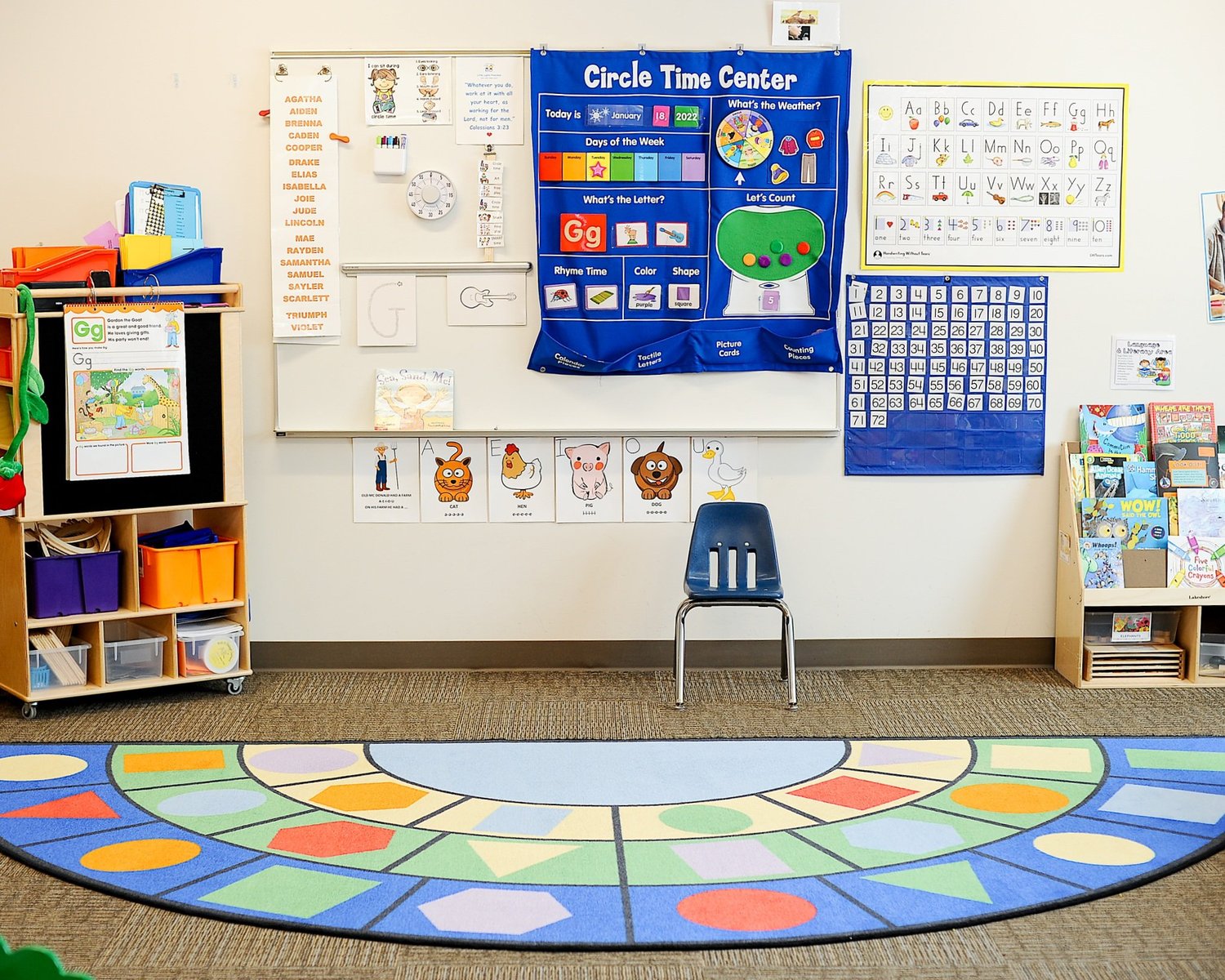
Reading/Language
Since language develops at such a rapid pace during children's early years we feel it needs to be represented frequently!
The children take part in two circle times and have many opportunities to expand their language through finger plays, books, audio books and exposure to print.
The consistent exposure to language will help them build their vocabulary.

Science
Science is a magical playground where tiny hands mix fizzy baking soda volcanoes, test whether rubber ducks sink or float, and watch ordinary water transform into ice.
Every squirt of liquid color and splash at the water table turns curious little learners into real-life adventurers, discovering how the wonderful world works.
Sensory Tables
Children learn so much through tactile experiences!
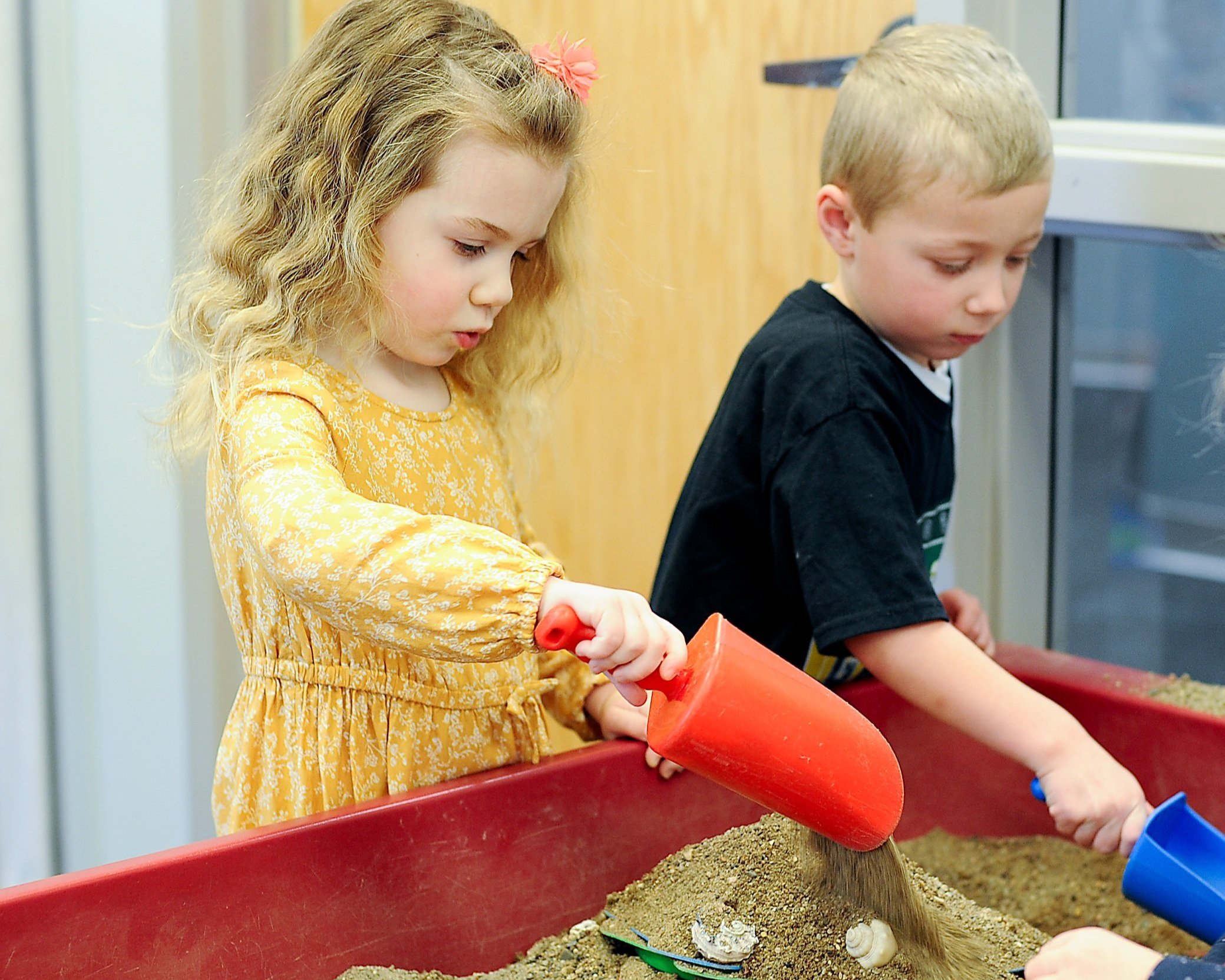
The sensory table is a place where the children can explore new and exciting things. This gives the children the chance to manipulate and try out new items.
We change the items in the sensory table every week to fit with the weekly theme. It could be sand with construction toys, black beans with vegetables and shovels they can dig up from the “soil”, or water (with or without bubbles!) with funnels, spinners, and scoops.